 Southend Electrical Services
Guide
How to Choose a Company for an EICR
Choose an EICR company by checking inspector competence, scope, reporting and written quotes. Here is what to ask before you book in Southend or Essex.
- Send a short enquiry
- Covering Essex
- EICR and related services
Choose a company for an EICR by checking that the person doing the inspection is competent in periodic testing, that the scope and report format are clear, and that you get a written quote explaining what is included. Price matters, but a cheap report that is vague or incomplete can cost you more later. This guide covers what to ask, what to look for and how pricing usually works.
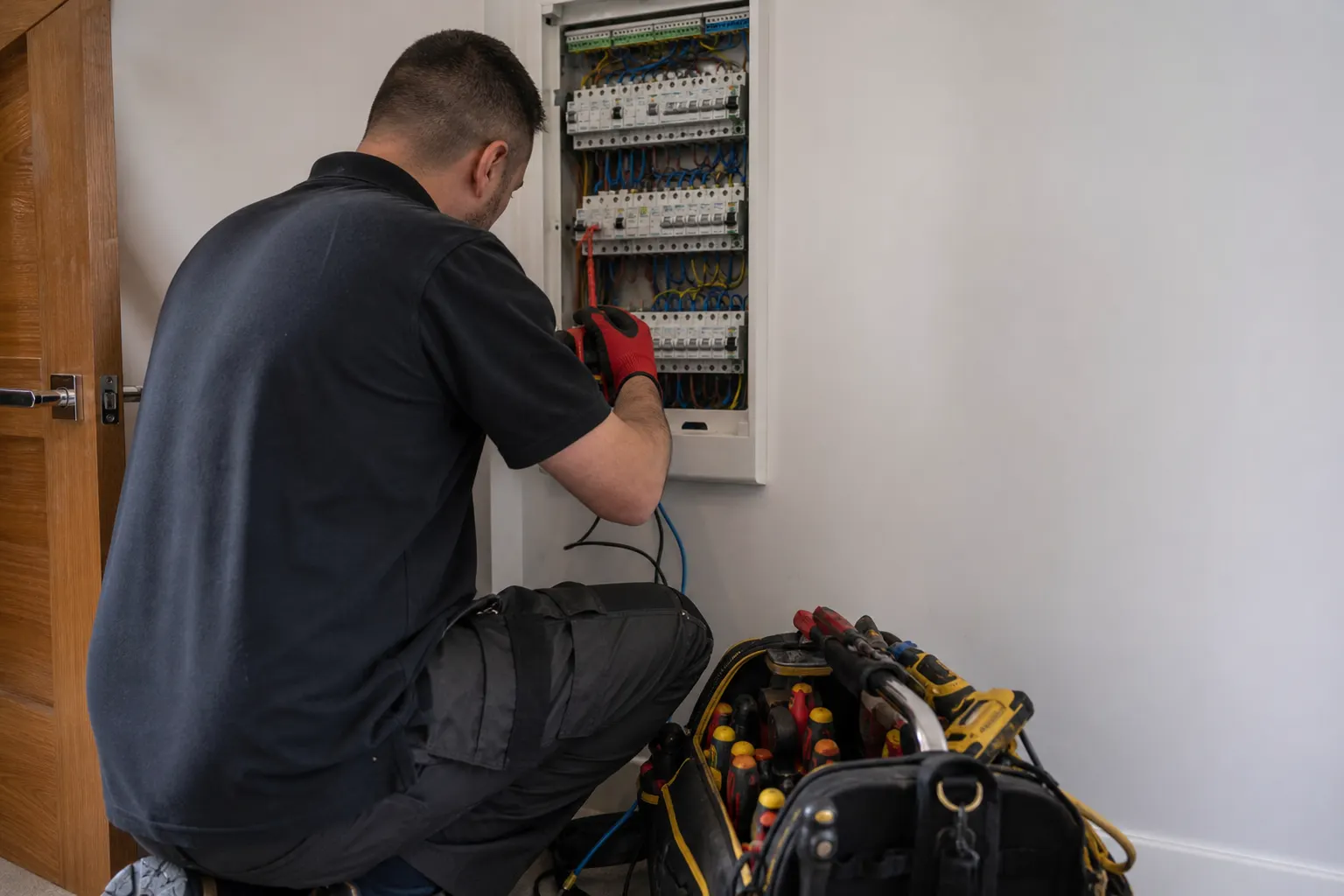
Start with who will actually do the inspection
An EICR (electrical installation condition report) is an inspection and test of the fixed electrical installation in a property. It is not the same as general electrical work, and it needs someone with experience of periodic inspection and testing, not just installation.
Ask whether the inspector is registered with a recognised competent person or certification scheme, and ask to see proof. Ask whether they carry appropriate insurance and what test equipment they use. A reputable electrician will be happy to answer. Also ask which edition of the wiring regulations (BS 7671) the report is based on, as this shows they keep up to date.
So, can any qualified electrician do an EICR? Not necessarily. Being a good installer does not guarantee skill at inspecting and coding someone else's older work. Ask directly how often they carry out condition reports.
Check what the inspection covers
Before booking, ask what is included. A proper EICR looks at the consumer unit, circuits, earthing and bonding, sockets, switches and lighting, and involves testing as well as visual checks. Ask whether the inspection will involve switching the power off and for roughly how long, so you can plan around it, especially in a home with tenants or in a business.
Also ask about sampling. In some cases not every point can be inspected, and the report should state any limitations clearly. A company that explains this upfront is more trustworthy than one that simply says everything will be checked.
Look at how the results are reported
The report should give an overall outcome of satisfactory or unsatisfactory, and list any observations with classification codes. These codes show whether something is dangerous, potentially dangerous, or recommended for improvement, and some items may be marked for further investigation.
Ask whether the company can also carry out any remedial works that are needed, and how they handle that. Some people prefer one firm to inspect and fix. Others prefer a separate firm to repair so the inspection stays independent. Either is fine, but you should know the arrangement beforehand, and any repair work should be quoted separately in writing.
Ask how quickly the written report is issued after the visit. You will usually need the document itself, not just a verbal summary, particularly for landlords, letting agents or mortgage and insurance purposes.
Understand how EICR pricing works
There is no single going rate for an EICR certificate, and any figure quoted without seeing the property should be treated cautiously. The cost depends mainly on the size of the installation and the number of circuits, since more circuits mean more testing time. The age and condition of the wiring, how easy it is to reach the consumer unit and other points, and whether furniture or locked rooms get in the way all affect how long the job takes.
Companies may price by a fixed fee, by an hourly rate, or with a callout element, so ask which applies. Check whether the quote includes the written report, and whether any extra visits, retesting or remedial works are charged separately. Time of day and travel can also play a part. The safest approach is to ask for a written quote that sets out what is and is not included, then compare like with like.
Who needs one, and how it differs from an EIC
For rented homes, the landlord is normally the person responsible for arranging an EICR, not the tenant. Rules on how often reports are needed, and for which types of property, can change, so check GOV.UK for the current position. As a general guide, inspection intervals of around five years are common, but the report itself will recommend when the next one is due.
An EIC, or Electrical Installation Certificate, is issued when a new installation or new circuit is completed. An EICR reports on the condition of an installation that already exists. They are not the same document. An EIC shows that new work met the standards at the time, but it does not replace the need for later periodic inspection as the installation ages.
Can you do your own EICR? In practice, no. It requires training, calibrated test instruments and the competence to judge and code faults, so it should be left to a qualified electrician.
Questions to ask before you book
Use a short checklist when comparing companies, whether you search online or for a firm serving your area, such as Southend and the wider Essex area.
Ask who will attend, what registration and insurance they hold, what the report will cover, and what limitations might apply. Ask how and when you will receive the report, how remedial works are quoted, and what happens if the result is unsatisfactory. Ask for everything in writing.
Be wary of anyone who will not explain their process, pushes you to decide immediately, or gives a firm price with no questions about the property.
Common questions
Can any qualified electrician do an EICR?
Not every electrician is equally suited to it. Inspection and testing is a specific skill, so ask about their experience with condition reports, their registration and the test equipment they use.
Who is responsible for an EICR, landlord or tenant?
For a rented property, the landlord is normally responsible for arranging it. Rules can change, so check GOV.UK for the current requirements.
Do I need an EICR if I have an EIC?
Possibly, yes. An EIC covers new work when it is completed, while an EICR assesses the condition of an installation over time. An older EIC does not replace a later inspection.
What is the going rate for an EICR certificate?
There is no fixed rate. The price depends on the size and age of the installation, access and how long the testing takes, so ask for a written quote that states what is included.
Useful sources
- NICEIC: The electrical contracting body, with a register to check an electrician.
- Citizens Advice: Free, independent advice on your rights when paying for work.