 Southend Electrical Services
Guide
How often should an EICR be carried out?
Most rented homes need an EICR at least every five years, and owner-occupied homes are usually advised ten. Here is how the interval is set.
- Send a short enquiry
- Covering Essex
- EICR and related services
For a rented home, an electrical installation condition report (EICR) should be carried out at least every five years, or sooner if the previous report says so. For a home you live in yourself, ten years is the usual recommendation, and commercial premises are often inspected more frequently. The exact interval is written on your report, so that date matters more than any general rule.
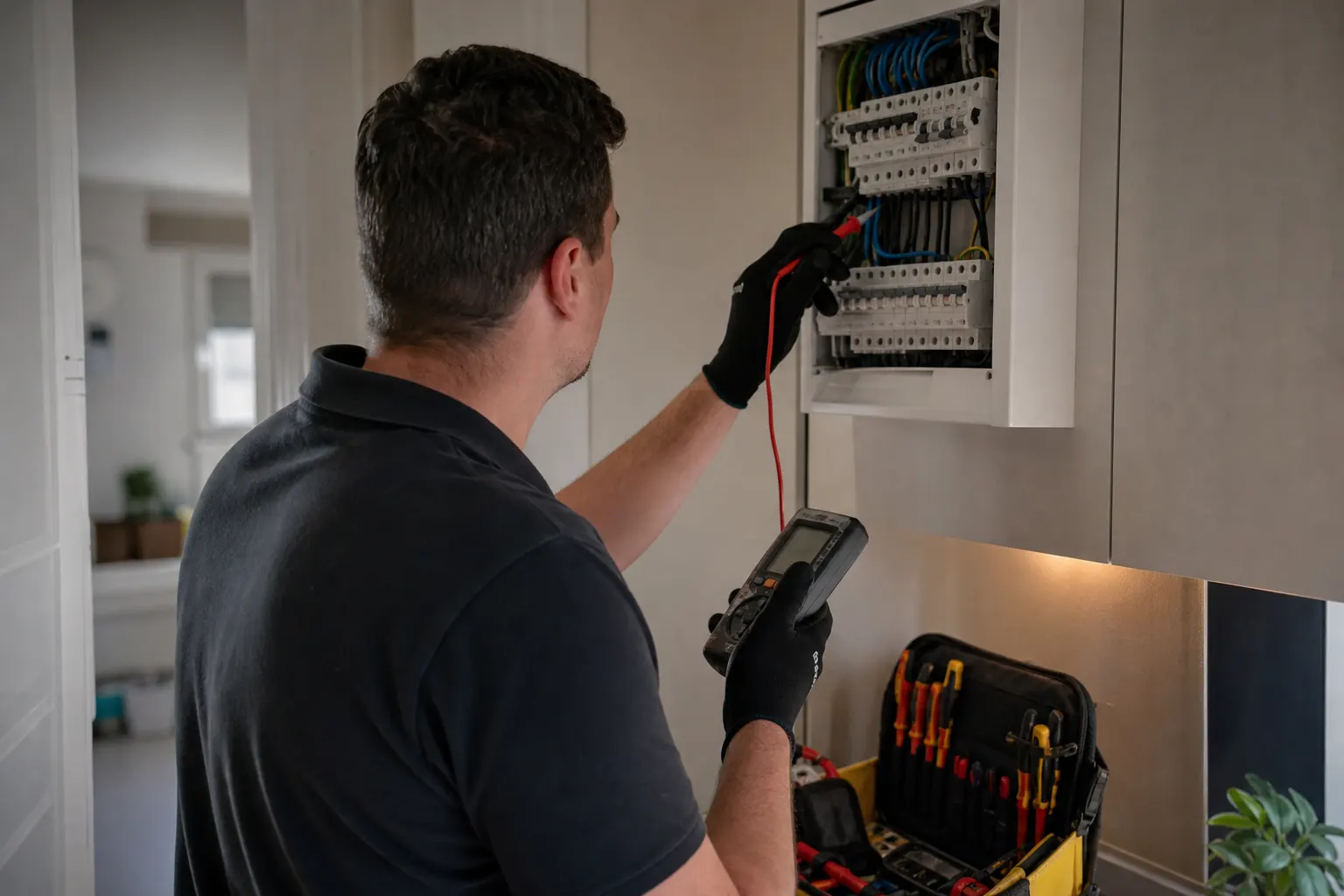
The short version by property type
Rented homes: the usual rule is a test at least every five years and at the start of a new tenancy if the last report is older than that. Landlords must also give tenants a copy of the report. The rules differ between parts of the UK and can change, so check GOV.UK for the current position before relying on any article, including this one.
Owner-occupied homes: there is no routine legal requirement to have an EICR, but the common recommendation is every ten years. It is also sensible when you buy a property, before major building work, or if you have no paperwork for the wiring.
Commercial premises: shops, offices, workshops and similar places are generally advised to have an inspection every five years at most, and some are tested more often. Your insurer, licensing conditions or health and safety duties may also set requirements.
Is an EICR three years or five years?
You will see both figures because they apply to different situations. Five years is the familiar figure for rented homes. Three years is often recommended for places where wiring is under more strain or where the public have access, for example some commercial buildings, and shorter gaps are common for locations with extra risks.
The person carrying out the inspection decides the recommended date for the next one. If they find wear, damage or poor earlier work, they may suggest a shorter interval even where a longer one would normally apply. Treat that date as the real answer for your property.
How long is an EICR valid for?
A condition report is valid until the next inspection date written on it, as long as the installation stays as it was. It stops being a reliable picture if the wiring is altered, a new circuit is added, the consumer unit is replaced or there is a fire, flood or other damage.
You may find articles tied to a particular past year, including for the NHS or other organisations. The interval is not set by the calendar year. It depends on the type of property, any rules that apply to it and what the inspection finds. Larger organisations often have their own policies on top of the basics, so check them if you manage such a site.
What the inspection involves and what happens afterwards
An EICR is an inspection and testing exercise. The electrician looks at the fixed wiring, the consumer unit, sockets, switches, lighting circuits, earthing and bonding, and tests the circuits to see whether they are safe to keep using. It is a report on condition, not a repair visit.
The report grades any findings. Some are urgent dangers, some need improvement, and some are only observations. A report with urgent faults is classed as unsatisfactory, and remedial work must be done before it can be treated as satisfactory. Landlords usually have a limited time to complete required remedial work and to confirm it in writing, so ask the electrician what the report means for your situation.
If you want an EICR for a property in Southend or elsewhere in Essex, Southend Electrical Services offers this service, and you can use the enquiry form to ask about it.
Planning ahead and spotting trouble early
Put the next inspection date in your diary when you receive the report, and keep the report with your property papers. Landlords should keep copies to show tenants and, where asked, the local council.
Do not wait for the date if you notice warning signs: breakers that keep tripping, buzzing or hot sockets, scorch marks, flickering lights, or an old consumer unit with no modern protection. These are reasons to arrange an inspection early.
If you are worried about unsafe electrical work, start by asking the person who did it to put it right. If they were registered with a competence scheme, you can complain to that scheme. For rented homes, your local council can take up safety concerns, and GOV.UK explains the options.
Common questions
How often does an EICR need to be done on a rental property?
At least every five years, or sooner if the previous report recommends it. A new report is also sensible at the start of a tenancy if the last one is close to expiry. Check GOV.UK for the current rules, as they can change.
Is an EICR needed for my own home?
There is no routine legal requirement for owner-occupiers, but ten years is the usual recommendation. Having one when you buy a property, or before major electrical work, is a good idea.
Do landlords have to decorate every five years?
No. That is not part of the EICR rules. The five year interval relates only to the electrical installation, not decoration.
Can an EICR be carried out early?
Yes. You can arrange one at any time, for example after buying a property, if you see warning signs, or when the old report is out of date or missing.
Useful sources
- NICEIC: The electrical contracting body, with a register to check an electrician.
- GOV.UK: electrical safety standards in the private rented sector: The official guidance for landlords, tenants and councils on electrical safety checks.