 Southend Electrical Services
Guide
Common mistakes with EICRs and how to avoid them
The most common EICR mistakes, from poor preparation to ignoring report codes, and simple steps to avoid each one in Southend and across Essex.
- Send a short enquiry
- Covering Essex
- EICR and related services
The most common EICR mistakes are hiring someone without checking their competence, not preparing access, misreading the result, and leaving faults unresolved. You avoid them by choosing a qualified electrician, getting the property ready, and acting on the observations in the report. This guide covers each mistake in turn, with practical steps for homeowners and landlords in Southend and across Essex.
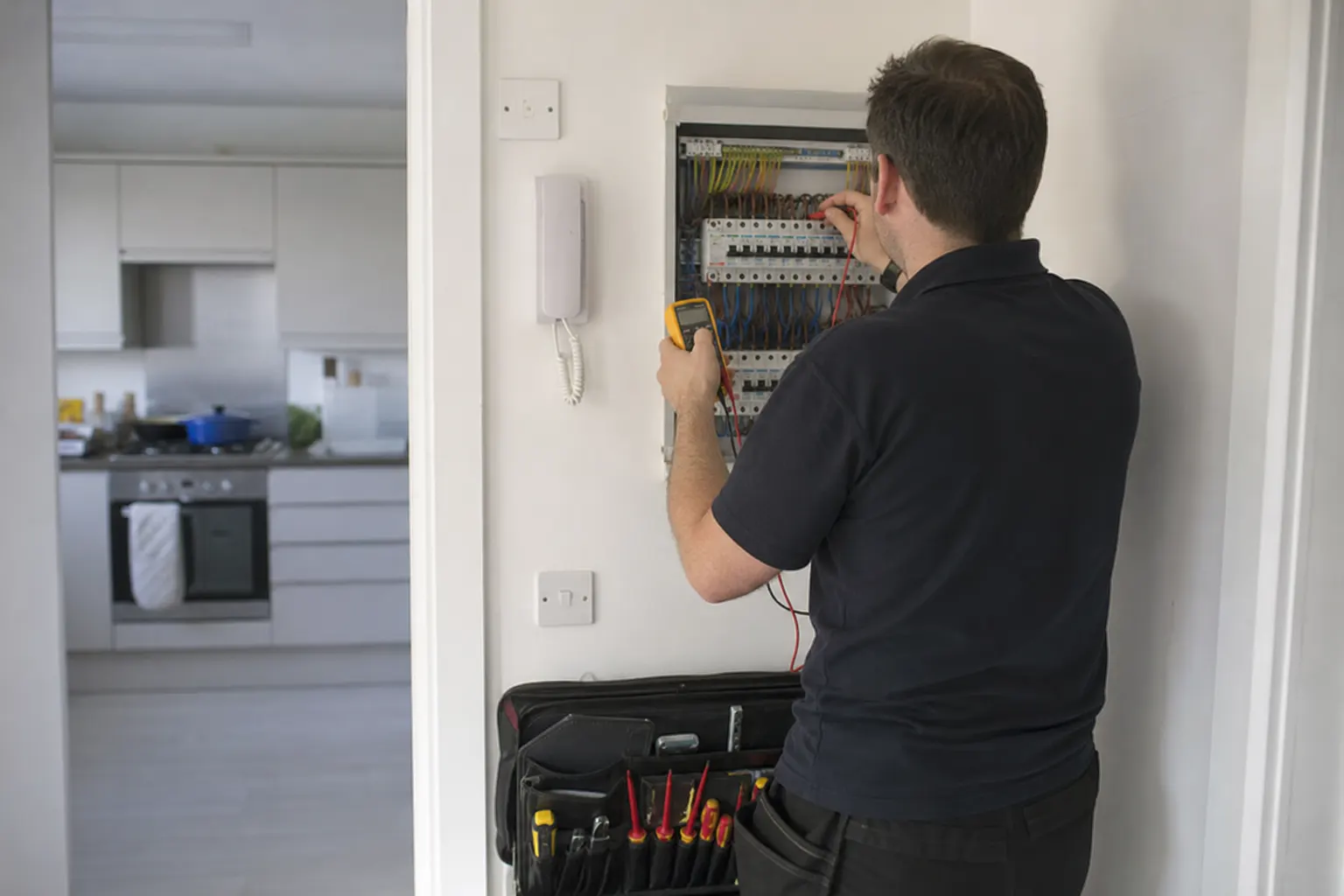
Mistake one: thinking an EICR is a quick look or a simple certificate
An EICR is an electrical installation condition report. It is a detailed inspection and test of the fixed wiring and the parts connected to it, such as the consumer unit, sockets, switches and lighting circuits. It is not a PAT test, which covers portable appliances, and it is not a casual visual check.
The result is also not a pass or fail certificate in the everyday sense. The report records the condition of the electrical installation and gives an overall outcome of satisfactory or unsatisfactory. Treat it as a record of what the electrician found, not a badge to file away.
Mistake two: not checking who is doing the inspection
Anyone can say they do EICRs, but the report is only as reliable as the person who signs it. The work needs a qualified electrician who is competent in inspection and testing, which is a different skill from installing a socket or fitting a light.
Before booking, ask what qualifications and registration they hold, ask to see ID on the day, and ask which test instruments they use. A good electrician will answer plainly. Be wary of anyone who cannot explain what the inspection will cover or who offers a report without looking at the consumer unit.
Mistake three: poor preparation and access
Many inspections run slowly because the electrician cannot get to everything. Locked rooms, a garage full of boxes, a cupboard hiding the consumer unit or an outbuilding with its own supply can all hold things up or leave circuits uninspected.
Clear access to the consumer unit and any sub-boards, and make sure every room and outbuilding can be entered. If tenants live in the property, tell them in good time. Parts of the test need the power off, so plan around that: shut down computers, medical equipment, freezers you cannot afford to lose power to, and anything that relies on a constant supply. If you have a previous report or circuit details, keep them handy.
Mistake four: misreading or ignoring the observation codes
The report lists observations with codes. C1 means danger is present and immediate action is needed. C2 means potentially dangerous. C3 means improvement is recommended. FI means further investigation is required.
The common error is shrugging off anything that is not C1. A C2 can still lead to electric shocks or fire risk, and an unsatisfactory result usually follows from C1, C2 or FI items. Ask the electrician to explain each code in plain language, which items are urgent, and what the repair involves. Then keep the report and the proof of any remedial work together, so the paperwork shows the problem was dealt with.
Mistake five: landlords missing their obligations
Landlords have legal obligations around electrical safety in rented properties, and the details, such as how often checks are needed and what you must give tenants, can change. Do not rely on memory or on advice from a friend. Check GOV.UK for the current position before you book.
Typical slips include letting the report lapse, not passing a copy to tenants, and leaving remedial work undone after an unsatisfactory result. Keep a note of when the next inspection is due, based on the interval the report recommends, and book early enough to allow for repairs.
Mistake six: choosing on price alone
Two quotes for an EICR can look very different because they may not cover the same thing. Pricing usually depends on the size of the property, the number of circuits and consumer units, how easy everything is to reach, how long the inspection takes, and whether the electrician charges a fixed price or an hourly rate. Evening or weekend work can also change the cost.
Ask for a written quote that says what is included: whether it is a full inspection or a sample, whether the written report is covered, and how remedial work is priced separately. A very thin quote may mean parts of the installation are not checked.
Common questions
Is an EICR a legal requirement for homeowners?
For most owner-occupiers there is no general legal requirement to have one, but it is a sensible way to learn the condition of your wiring, especially when buying an older property. Landlords have specific legal obligations, so check GOV.UK for the current rules.
What happens if my EICR is unsatisfactory?
It means the electrician found issues that need attention, such as C1, C2 or FI observations. You will need remedial work, then confirmation that the faults have been put right. Ask for the repairs to be explained and quoted in writing.
How long does an EICR take?
It depends on the size of the property, the number of circuits and how easy they are to reach. Ask the electrician for an estimate when you request your quote, and expect the power to be switched off for some of the testing.
Can wear and tear cause a failed report?
Yes. Older wiring, worn accessories, damaged cable insulation and ageing consumer units can all be recorded. Wear and tear does not always mean a fail, but the electrician will note anything that affects electrical safety.
Useful sources
- NICEIC: The electrical contracting body, with a register to check an electrician.
- GOV.UK: electrical safety standards in the private rented sector: The official guidance for landlords, tenants and councils on electrical safety checks.